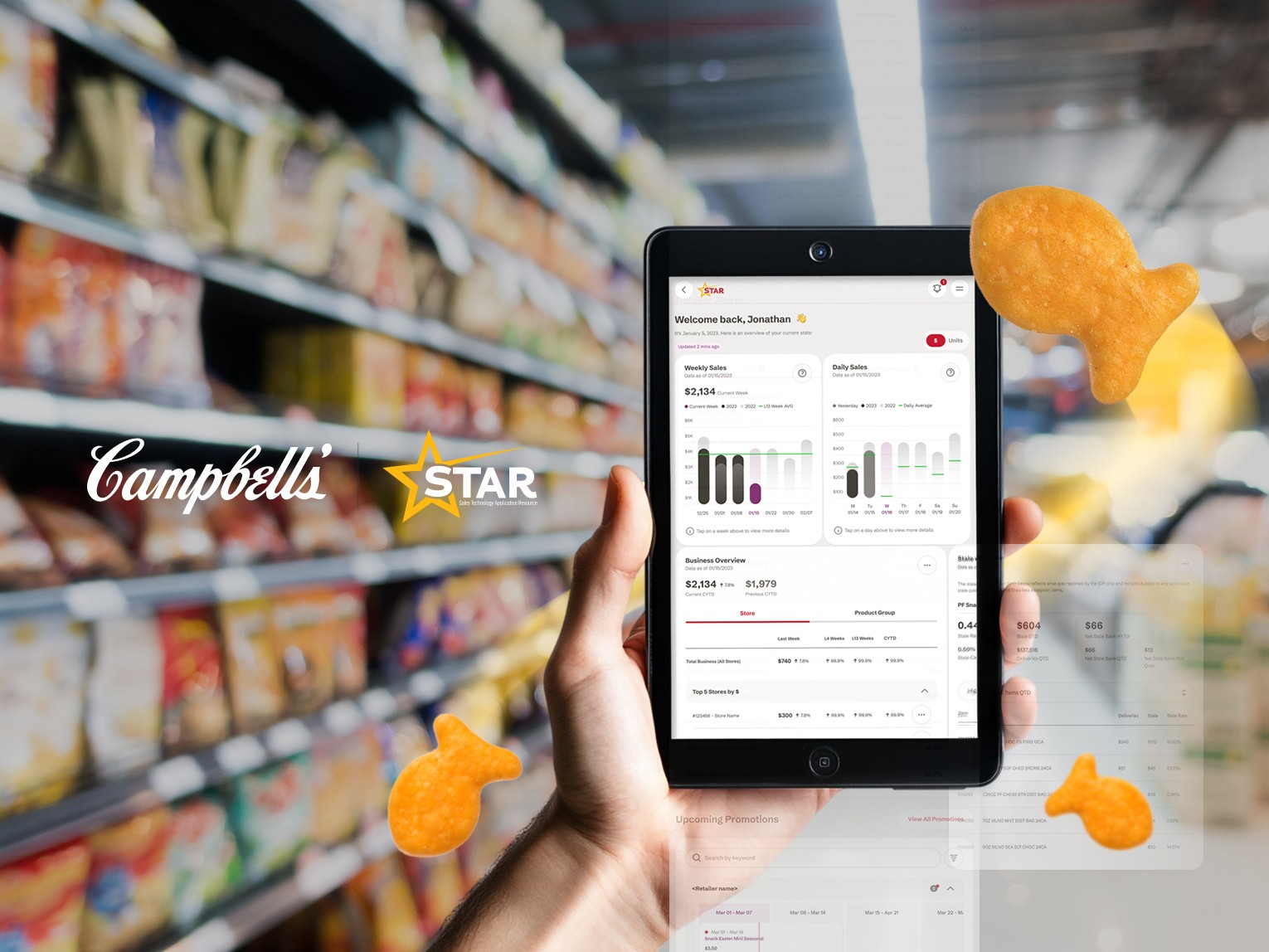
Campbell's STAR App
Services
Design System
Digital
UI Design
Visual Design
Client
Campbells
Year
2023
The team
Kendal Wronski
Jordan Andersen
Lindsey Rosenburg
Created at Launch by NTT Data. Certain details have been modified for confidentiality purposes. Thank you for your discretion.
Overview
The Campbell’s STAR (Sales Technology Application Resource) platform was built to modernize the operational experience for Independent Distribution Partners (IDPs) across the United States.
Connected directly to Campbell’s internal systems, STAR enables distributors to manage complex day-to-day operations including retailer onboarding, route management, returns, issue reporting, product management, and support workflows — all within a centralized enterprise platform serving thousands of retailers nationwide.
Challenge
Reimagining Campbell’s Distributor Ecosystem
The existing platform was deeply embedded into daily operations, but the experience had become increasingly difficult to scale and maintain.
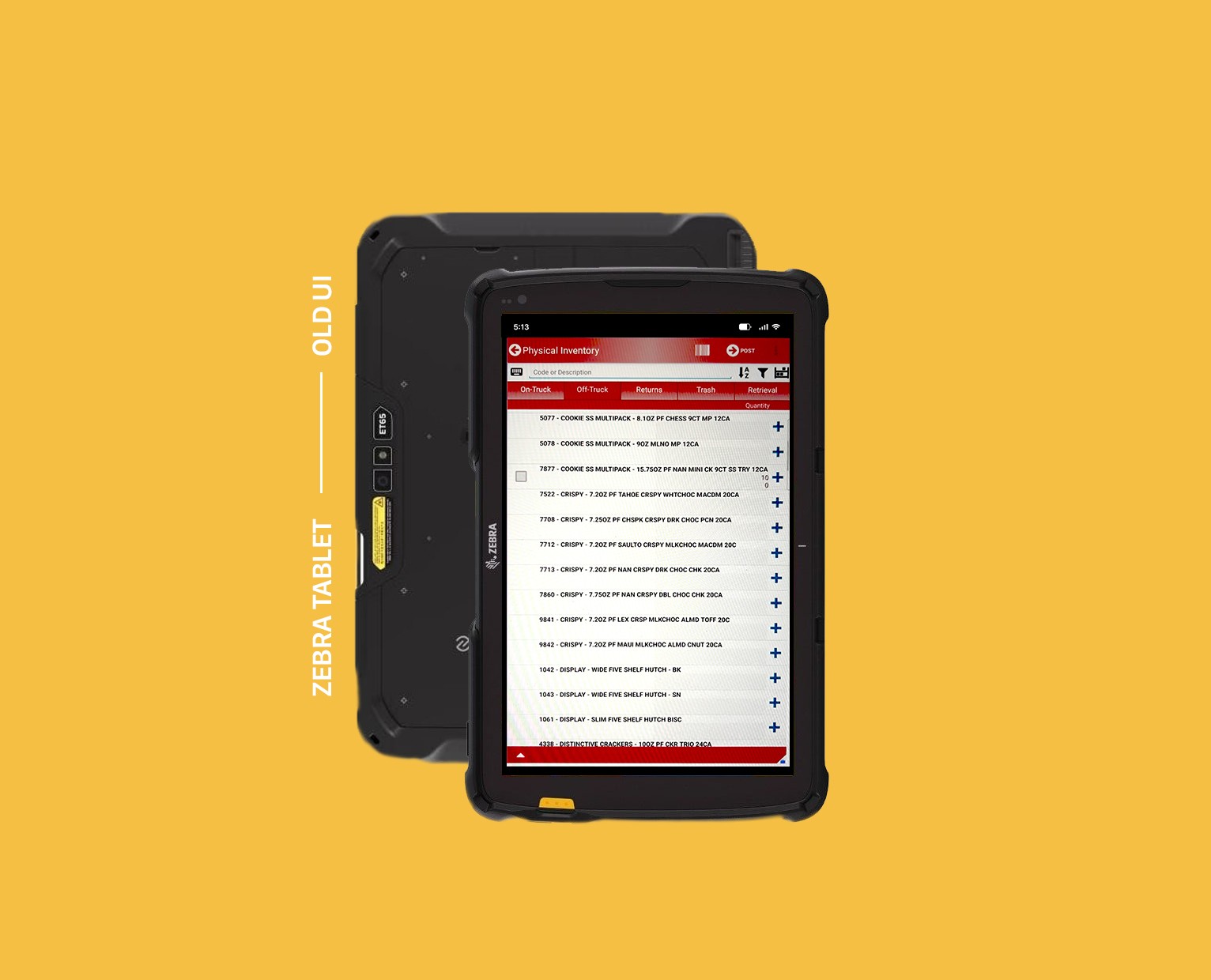
Users relied on a legacy tablet-only application that suffered from:
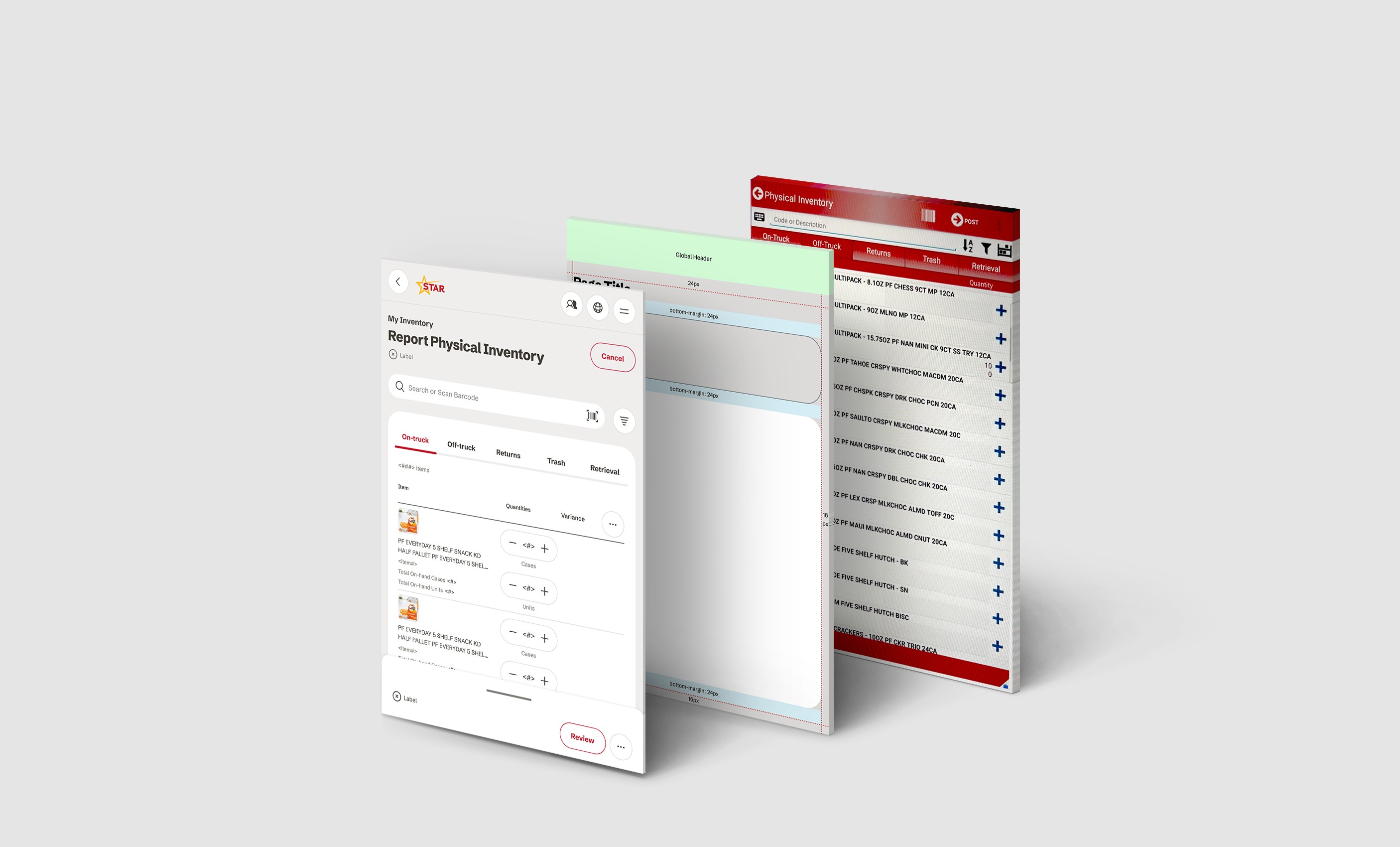
Poor responsiveness and outdated interaction patterns
Complex, fragmented workflows
High cognitive load across operational tasks
Inconsistent navigation and UI behaviors
Limited flexibility for evolving business needs
As Campbell’s distributor network expanded, the platform also needed to support:
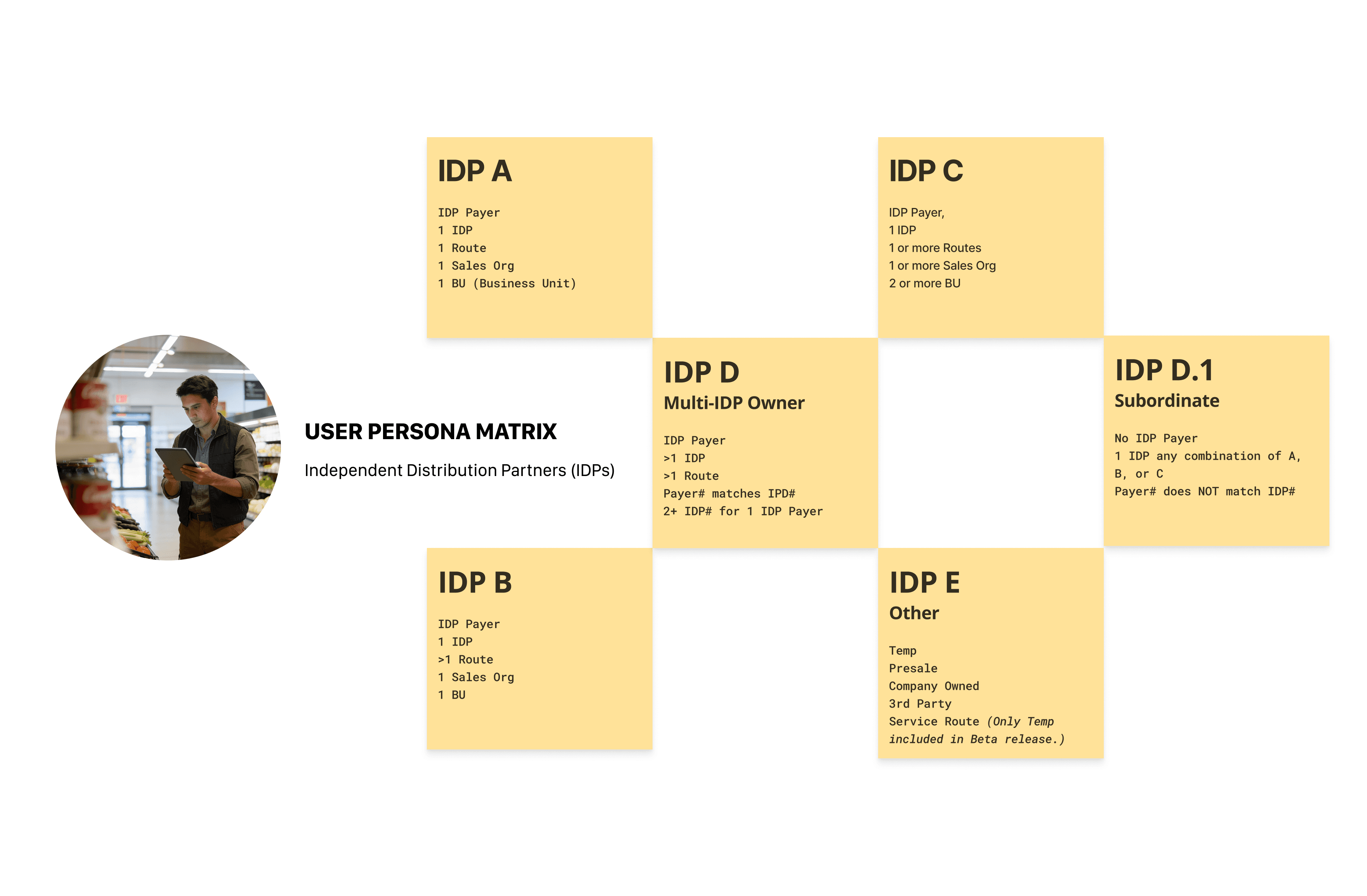
Multiple distributor types and permission structures
Large volumes of operational data
Real-time integrations with internal systems
Critical workflows where small errors could impact distribution operations at scale

Scope
Understanding Operational Workflows
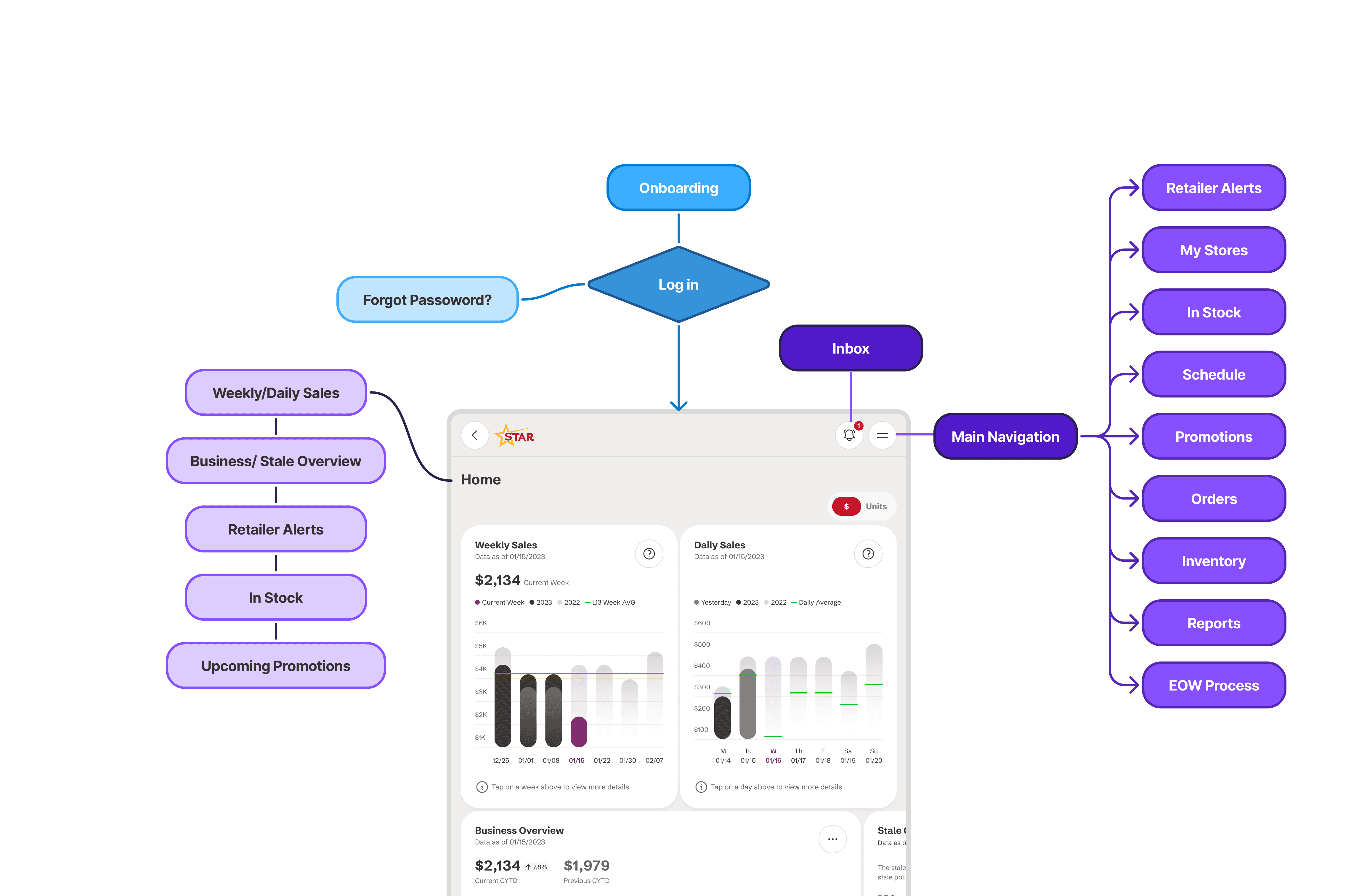
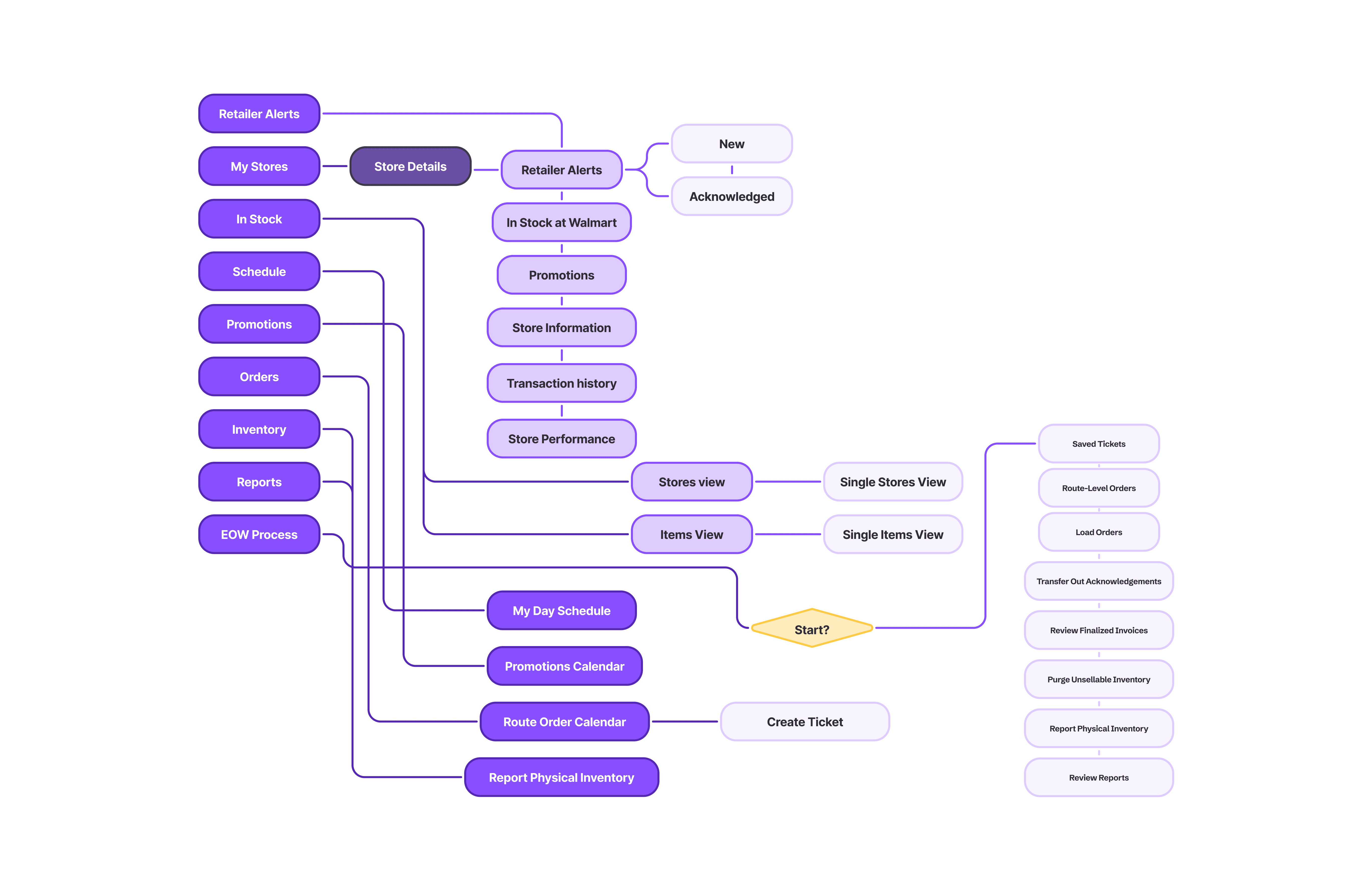
A significant part of the project involved mapping the ecosystem of distributor operations and identifying friction points across daily tasks.
This included analyzing:
Multi-role user journeys
Route and retailer management flows
Returns and issue-reporting processes
Operational dependencies between systems
Data visibility and decision-making pain points
Because users interacted with the platform continuously throughout their workday, efficiency and clarity became central design priorities.
My Role
Designing for Operational Efficiency
As the STAR platform continued to grow across multiple operational modules, maintaining consistency and scalability became a key challenge. Beyond designing individual screens, my role focused on helping create a cohesive UI foundation that could support the platform’s long-term evolution.
I contributed to:
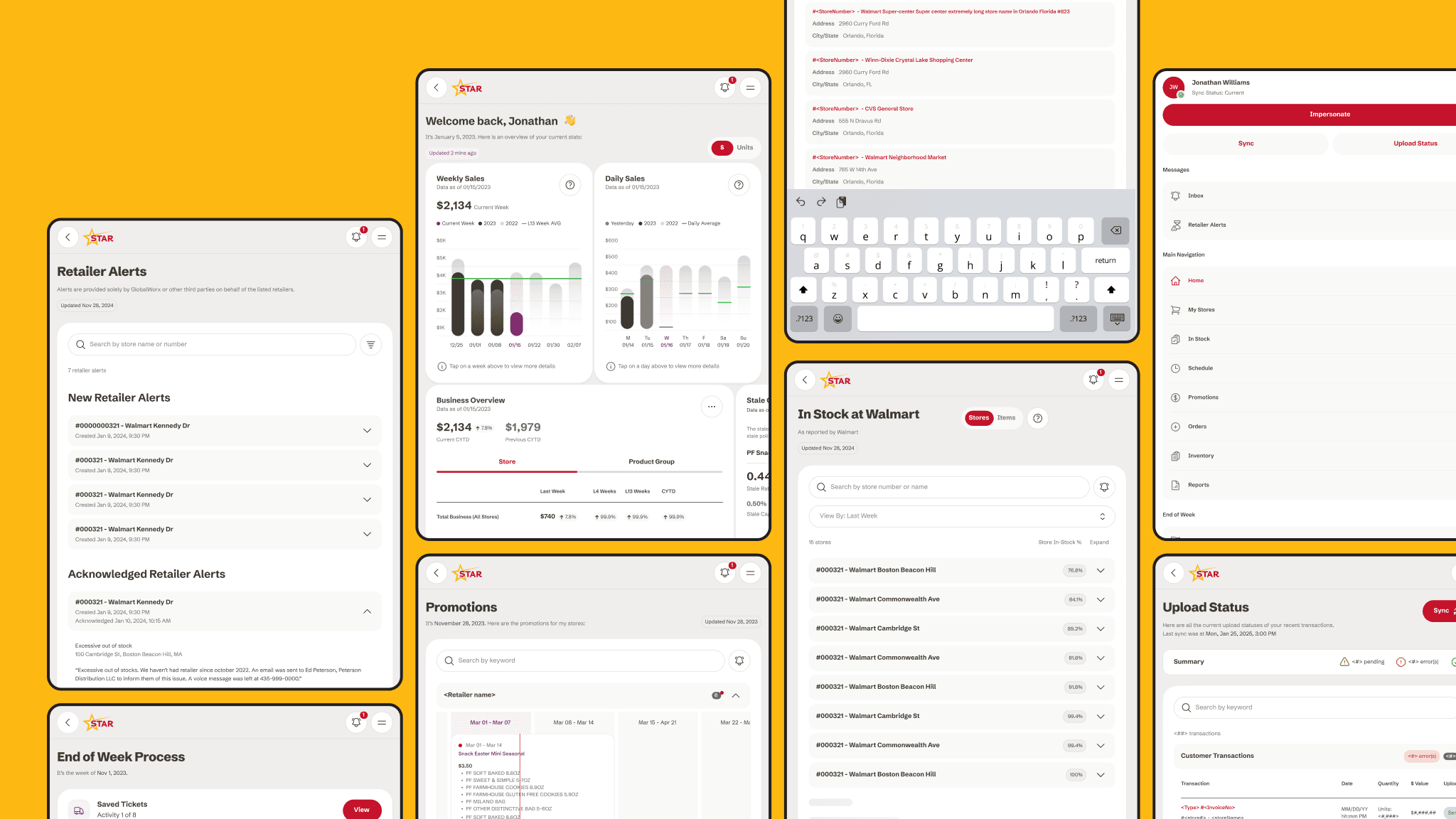
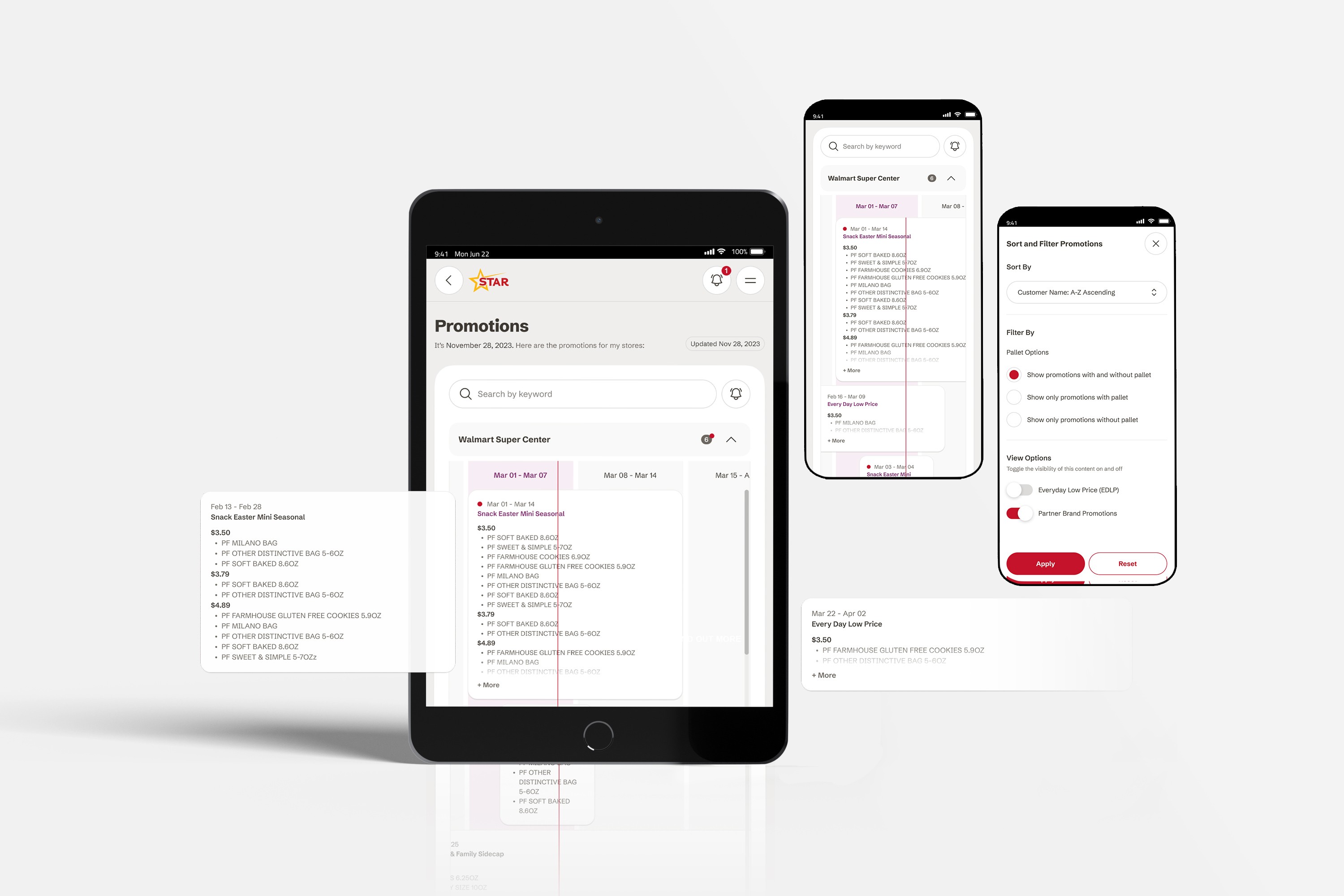
Designing modular and responsive layouts adaptable across devices and use cases
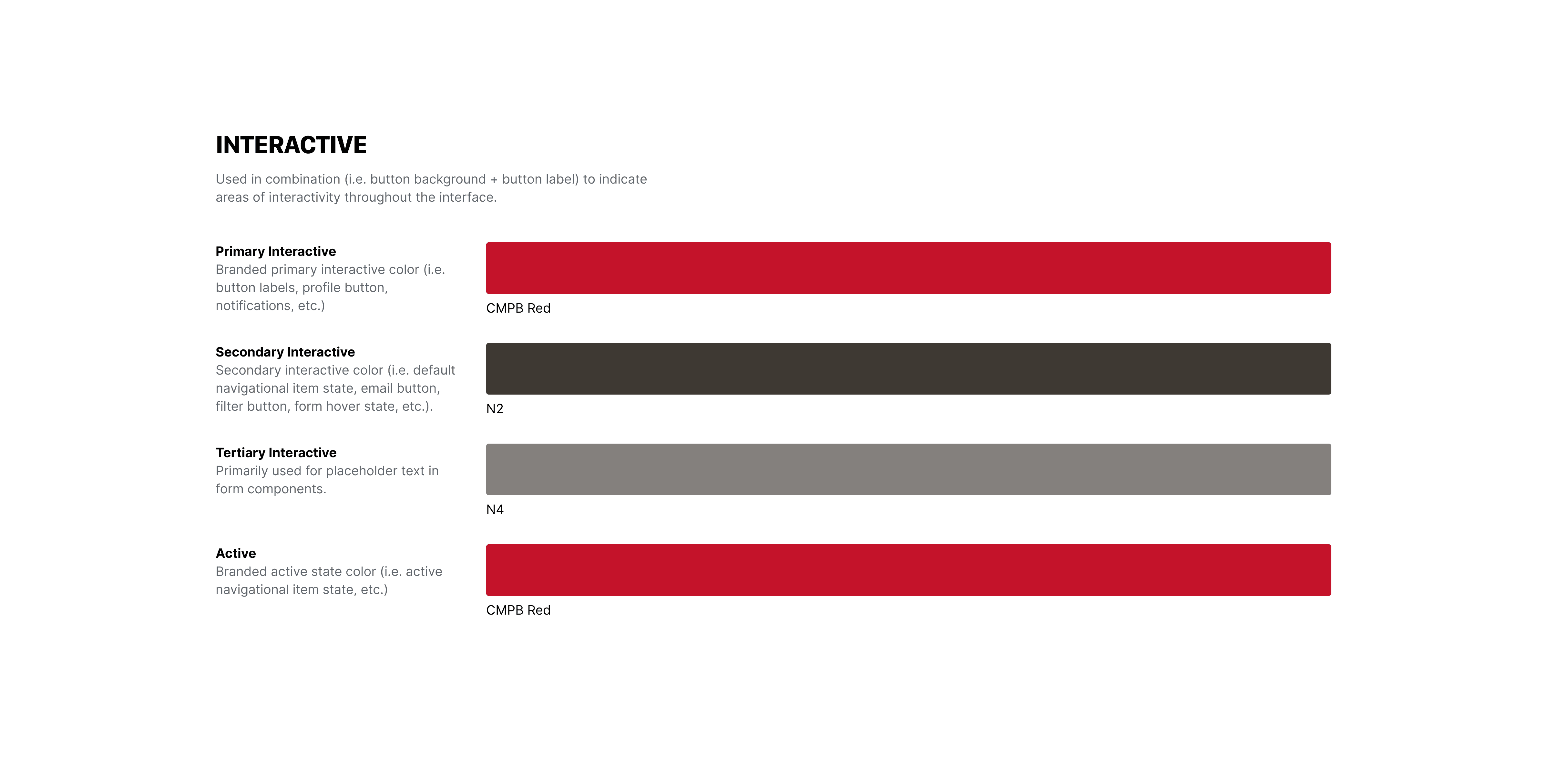
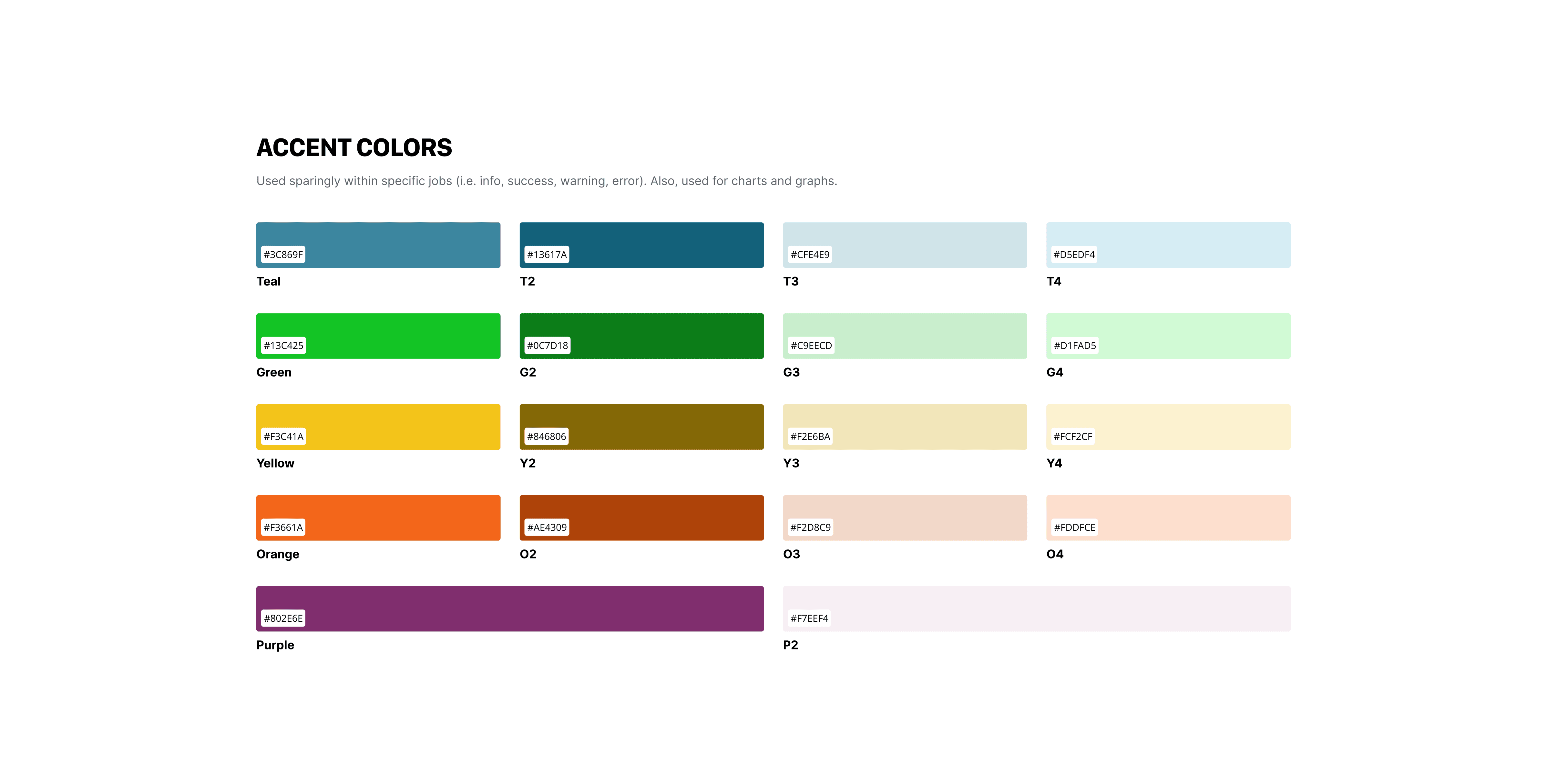
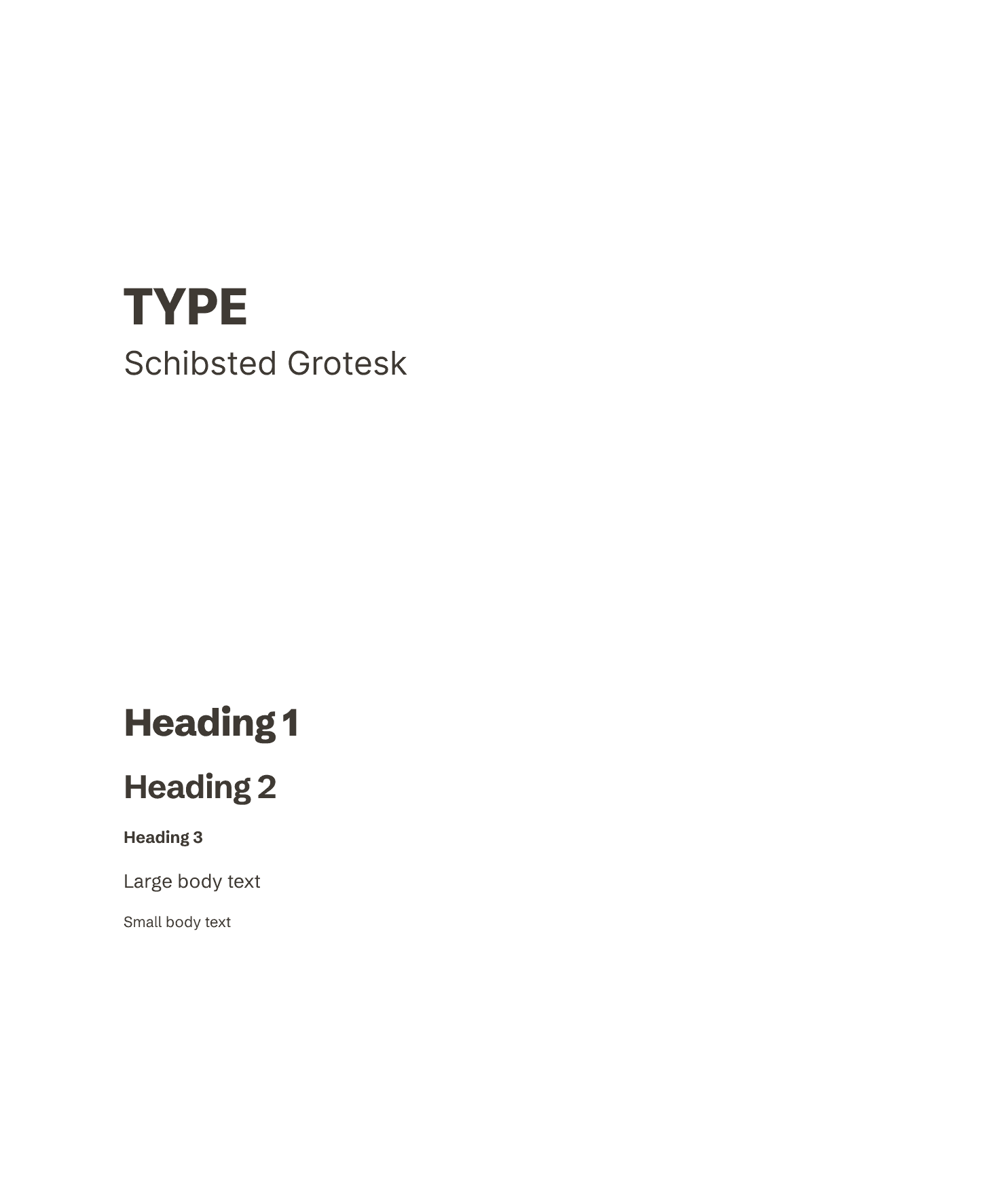
Standardizing components and interaction behaviors across the platform
Improving visual hierarchy and readability within data-heavy interfaces
Strengthening alignment between design and engineering through scalable UI systems
This approach helped transform fragmented experiences into a more consistent, scalable, and maintainable enterprise platform while enabling faster product expansion over time.


The Solution
Building a More Intelligent Operational Experience
The redesigned STAR platform transformed a fragmented legacy system into a more scalable and intuitive enterprise experience.
Key improvements included:
Responsive Multi-Device Experience
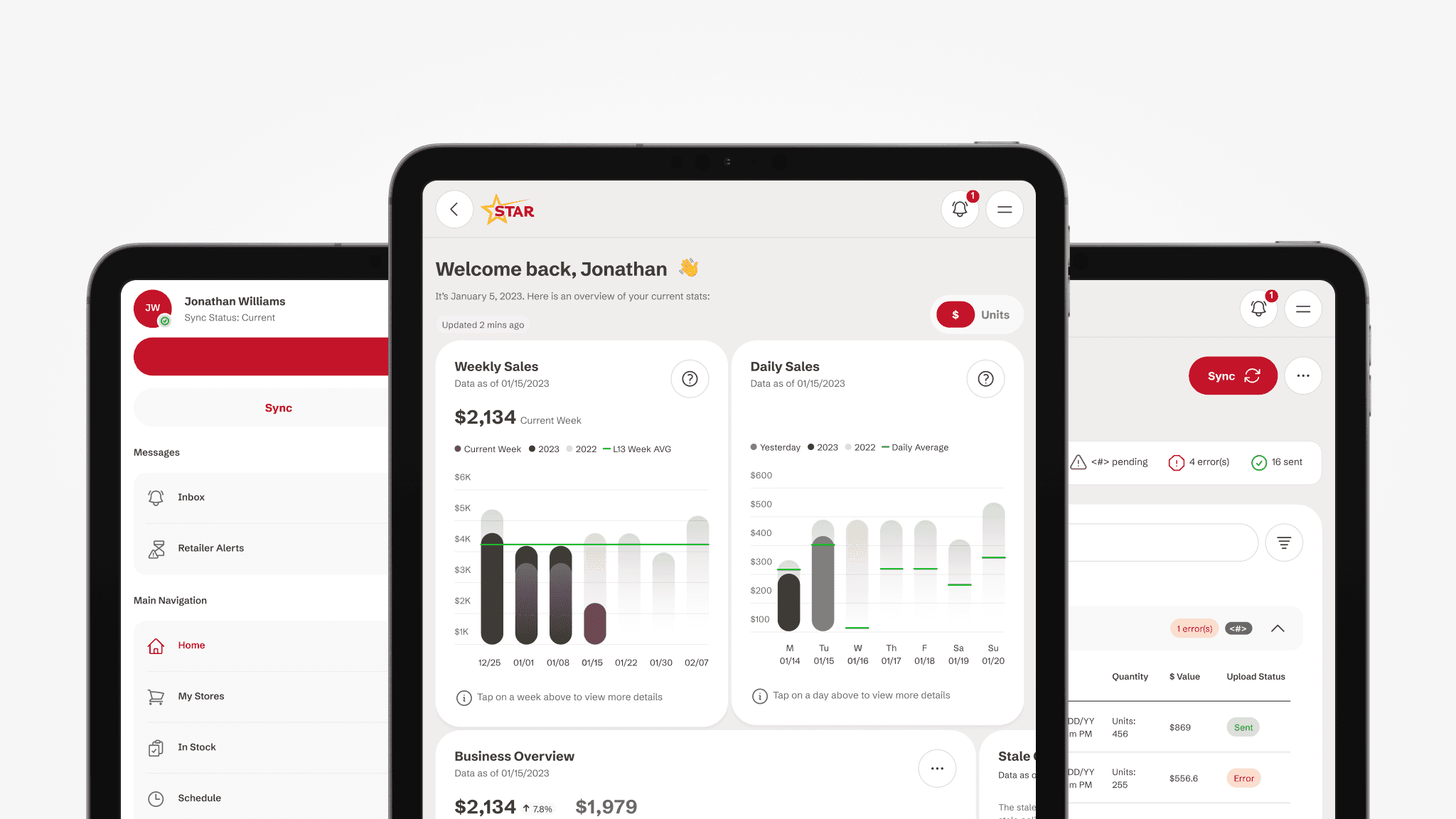
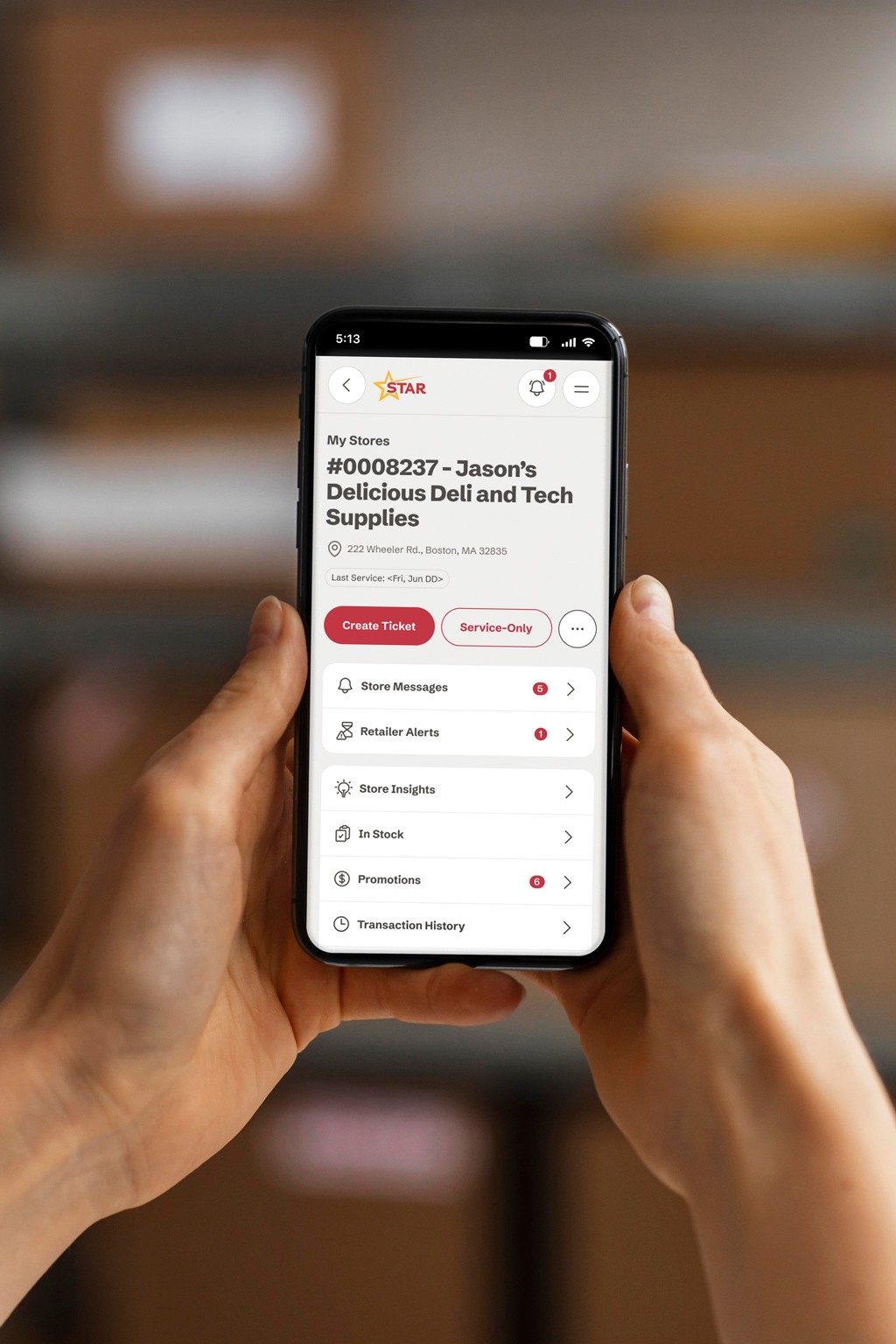
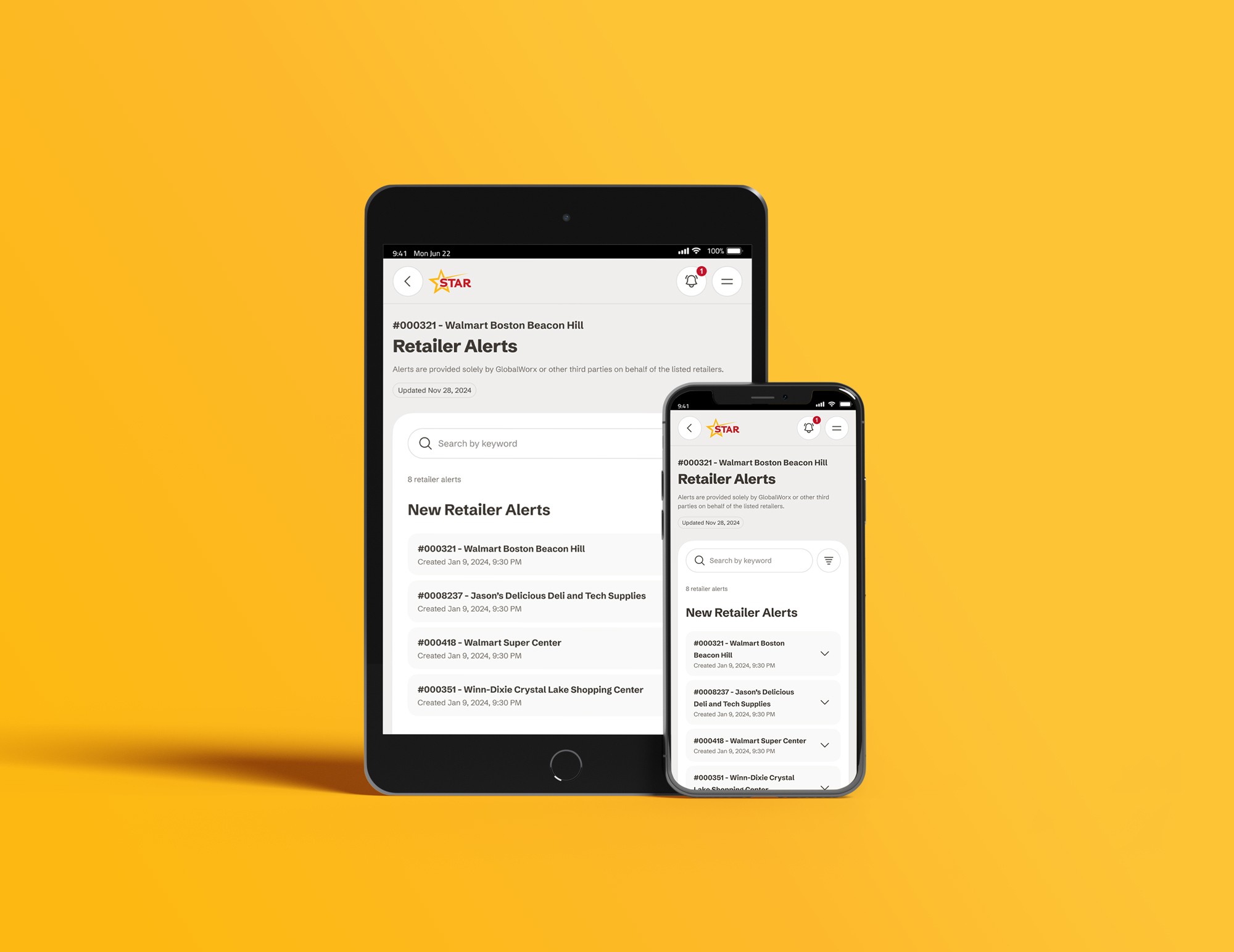
The platform evolved from a tablet-only tool into a responsive ecosystem capable of adapting across different screen sizes and operational contexts.
Streamlined Operational Flows
Complex tasks such as retailer onboarding, returns management, and route editing were redesigned into clearer, more guided experiences.
Role-Based User Experiences
Interfaces were optimized according to distributor roles and permissions, helping reduce unnecessary complexity and surface more relevant actions.
Improved Data Visibility
High-density operational data was reorganized using stronger hierarchy, structured layouts, and clearer system feedback to improve readability and decision-making.
Scalable Design System
A modular component system introduced greater consistency across the platform while creating a foundation for future product scalability.